Author: HOME x Ballard

  • Spring Break Ready: The Travel Station in Crown Hill

    Spring Break Ready: The Travel Station in Crown Hill

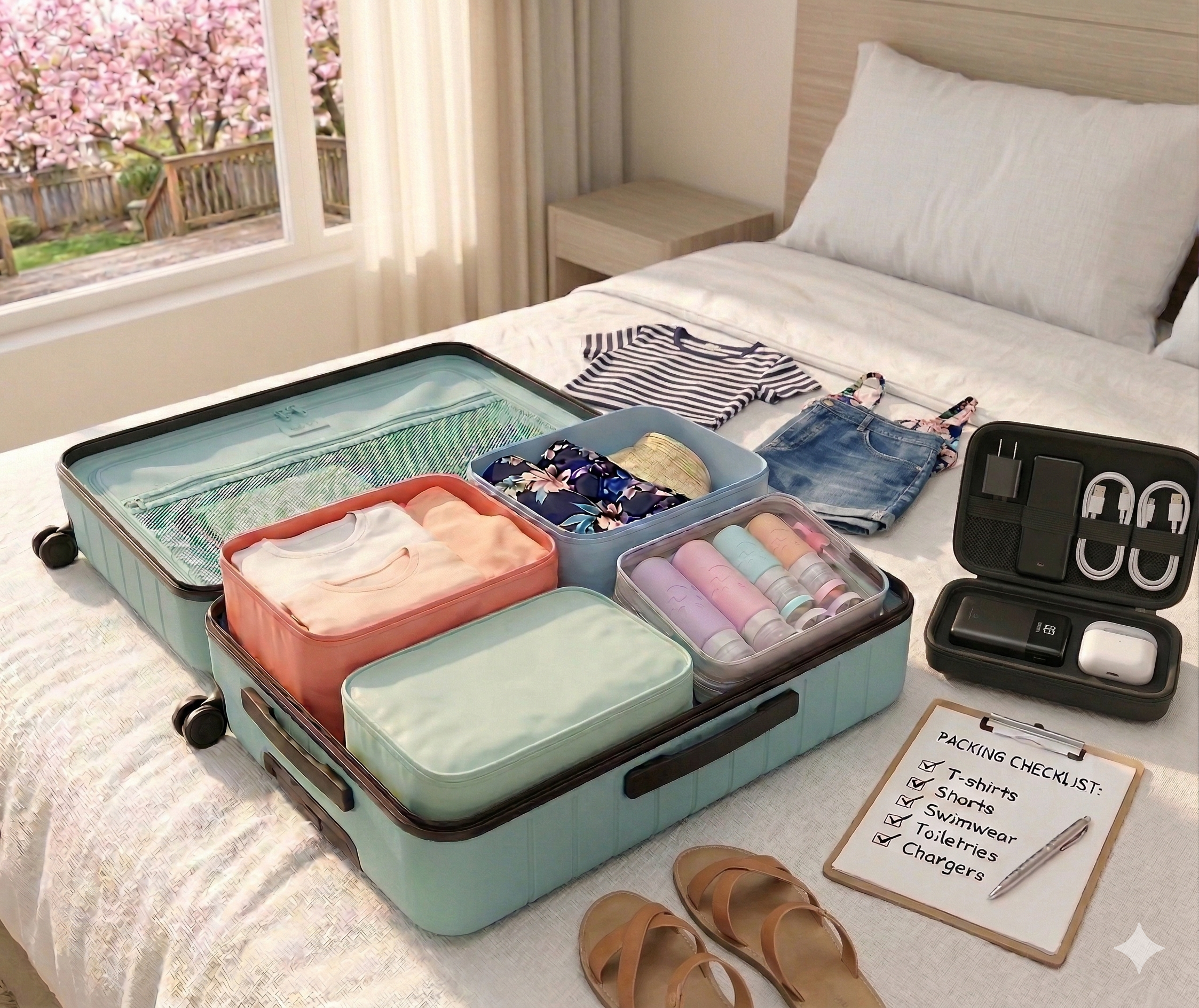
    Spring Break is fast approaching! Whether you’re a Crown Hill family heading to the coast or flying out for a tropical escape, the difference between a stressful departure and a smooth one is often a system. Instead of scattering your gear across the house, create a permanent “Travel Station.”

    To streamline your packing process, try these organizational steps:

    • Internal Storage: Utilize the empty space inside your suitcase to store travel-specific items like packing cubes, travel-sized toiletries, and electronics. Fill cubes with similar items: socks, kids’ items, etc.
    • The “Go-Pouch”: Create a pre-packed zipper pouch containing a spare phone charger, a universal travel adapter, and noise-canceling headphones. Keep this permanently in the luggage so tech is never forgotten.
    • The Luggage Tag Hub: Store your suitcase scales, TSA-approved locks, and extra luggage tags in one specific bin along with your other travel gear. Having these small tools in a single spot makes the final “weigh-in” and security prep a breeze rather than a hunt.

    Staging Zone: Clear a flat surface (like a guest bed) to lay out clothes before packing, ensuring you don’t overpack or forget essentials.

    The image is only a visual representation of the techniques used by HOME x Ballard, not an actual project.

  • Home Office: Tax Season Taming in Wedgwood

    Home Office: Tax Season Taming in Wedgwood

    Tax season is here, and in the quiet residential pockets of Wedgwood, home offices are buzzing. To stop paper clutter from taking over your desk, implement a “Command Center” approach.

    Create a flow for your documents:

    • Active vs. Archive: Establish two distinct systems. “Active” is for current projects, bills, and this year’s tax forms; “Archive” is for long-term storage. Never mix the two.
    • Desktop Sorting: Use vertical acrylic file sorters on your desk for Active items like “Bills to Pay” and “Tax Forms to Sign.” Vertical storage prevents the dreaded “tower of papers” from forming.
    • Color-Coding: Use different colored folders for major categories (e.g., Green for Financial, Red for Medical). This visual cue helps you find what you need instantly.

    The Archive Box: Use uniform archival boxes on a shelf or in a closet for past years’ returns, keeping them accessible but off your immediate workspace.

    The image is only a visual representation of the techniques used by HOME x Ballard, not an actual project.

  • Little League Prep: The Uniform Station in Roosevelt

    Little League Prep: The Uniform Station in Roosevelt

    Little League season is starting! For families in the tight-knit community of Roosevelt headed to the ballfields near Green Lake, this means managing uniforms, cleats, and practice gear. It also means keeping mud and dirt off the carpet.

    To avoid the Saturday morning panic, create a “Uniform Station” in your child’s closet:

    • Pre-Load the Kit: When putting away clean clothes, load the game-day compartment with the full kit: jersey, pants, belt, and socks.
    • The Dirt Bag: Designate a specific, breathable mesh laundry bag solely for dirty sports gear. This keeps the red clay dirt separate from your regular linens and makes it easy to transport to the laundry room.
    • Day-of-the-Week Sorting: Use a hanging organizer with compartments labeled by day. This visual system enables kids to know exactly what they need.
    • Cleat Containment: Keep cleats in a designated bin or bag on the floor of the closet to contain grass and mud. Do not let them sit directly on the carpet.

    The image is only a visual representation of the techniques used by HOME x Ballard, not an actual project.
  • Mid-Winter Blues: Cozy Linen Storage in Maple Leaf

    Mid-Winter Blues: Cozy Linen Storage in Maple Leaf

    February in Seattle is peak gray-sky season, and coming home from a blustery playdate at the Maple Leaf Reservoir Park playground calls for warmth. To keep your Maple Leaf home feeling like a cozy refuge, organize your linen closet to prioritize comfort.

    Here is how to perform a seasonal linen swap:

    • Prime Real Estate: Identify the shelves between waist and eye level. Move your flannel sheets, heavy duvets, and wool blankets here for easy access. You shouldn’t have to reach high for warmth on a cold night.
    • High Altitude: Relocate crisp summer percales and beach towels to the higher, harder-to-reach shelves. You won’t need them until May, so get them out of the way.
    • Divide and Conquer: Install shelf dividers to keep thick towel stacks from toppling over. This simple hardware fix instantly makes a closet look professionally styled and prevents avalanches.
    • Corral the Small Stuff: Use fabric bins to hold smaller, messy items like pillowcases and washcloths. This keeps visual noise low and prevents piles from becoming messy.

    The image is only a visual representation of the techniques used by HOME x Ballard, not an actual project.

  • Valentine’s Day: The Baking Station in Ravenna

    Valentine’s Day: The Baking Station in Ravenna

    Valentine’s Day is here, which often means baking treats or a special dessert after a sunny stroll through Ravenna Park. In the classic bungalow kitchens of Ravenna, creating a dedicated “Baking Zone” saves you from digging through deep, dark cabinets where ingredients often disappear.

    Follow these steps to create a functional baking station:

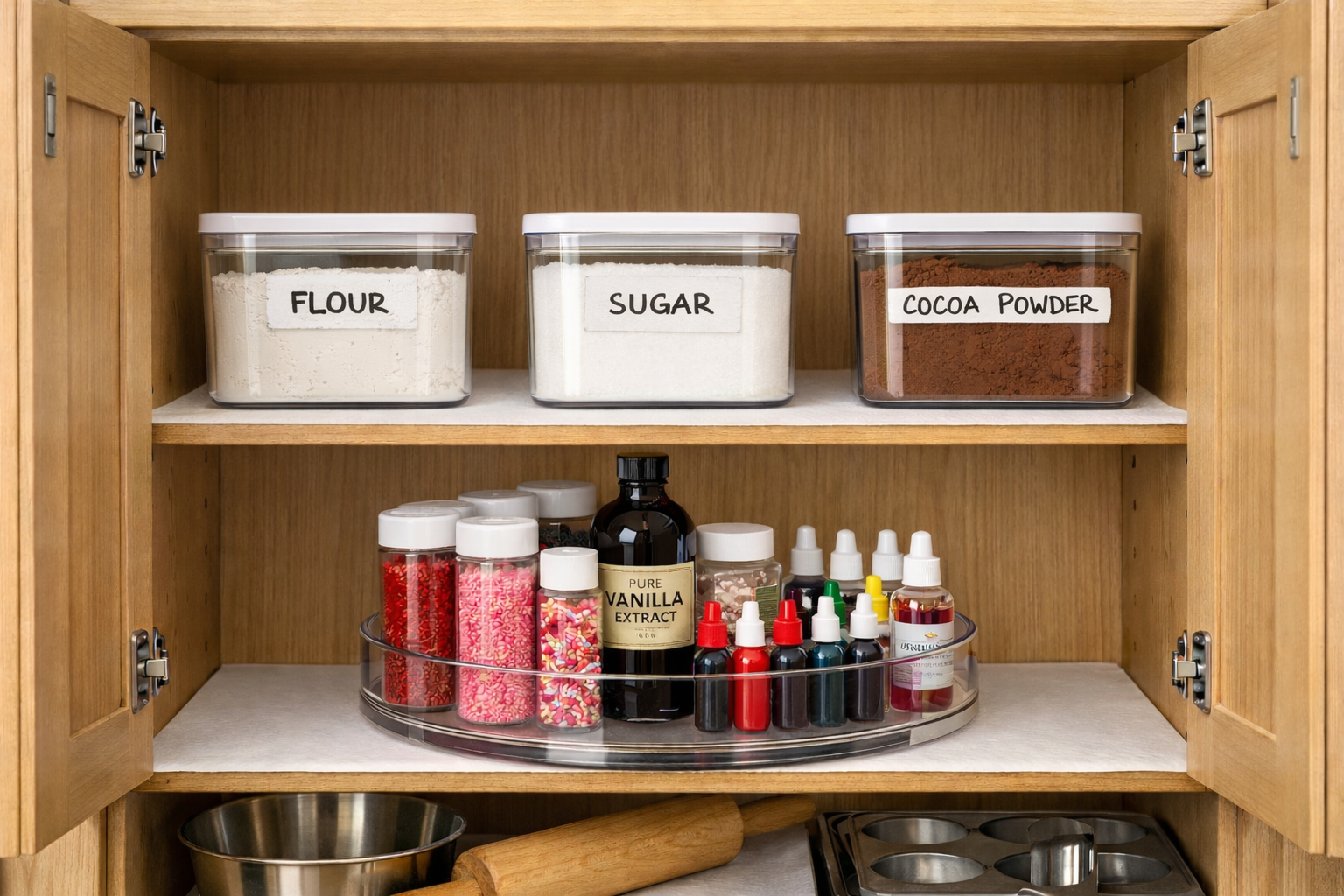
    • Gather and Group: Pull all your baking essentials—flour, sugar, baking powder, and chocolate chips—into one specific cabinet or pantry shelf. Keep them at waist height for easy lifting.
    • Decant for Density: Pour dry goods into matching airtight canisters. Pro Tip: Choose square bases over round jars. Square canisters stack flush against each other, saving precious shelf space and eliminating “dead air” gaps.
    • Turntables for Accessibility: Use a clear turntable (Lazy Susan) for small bottles like vanilla extract, sprinkles, and food coloring. A quick spin prevents them from getting lost in the back corners.
    • Label Clearly: Use bold, clean labels for everything. When you can see your supplies at a glance, the baking process becomes a joy rather than a chore.

    The image is only a visual representation of the techniques used by HOME x Ballard, not an actual project.

  • Post-Game Recovery: The “Super Bowl Reset” in Seattle

    Post-Game Recovery: The “Super Bowl Reset” in Seattle

    The confetti has settled, the last of the wings are gone, and—best of all—the Seahawks secured the win! While the energy in the city is high, your living room might be feeling the “post-game slump” of leftover decor, extra seating, and bulky serving platters.

    Because Super Bowl supplies are only used during the football season, they shouldn’t take up prime real estate in your kitchen or hallway. Use this “Post-Game Reset” protocol to categorize, bin, and stash your party gear until next season.

    1. The Category Crunch

    Before you start tossing things into random boxes, group your items by how they are used. This prevents “junk bins” and makes next year’s setup a breeze:

    • The Turf (Linens & Decor): Group Seahawk flags, themed tablecloths, and green-and-blue banners together.
    • The Stadium (Serving Ware): Gather those oversized chip bowls, tiered sliders trays, and stadium-shaped platters.
    • The Bench (Extra Gear): Collect portable folding chairs, extra lap trays, and the “Hospitality Station” bar cart accessories.

    2. Ditch the Air, Protect the Gear

    Seattle’s damp winters mean that items stored in garages or basements need protection from moisture.

    • Clear Bins for Visibility: Use clear, heavy-duty plastic bins instead of cardboard boxes. This allows you to see your “Game Day” gear at a glance without having to open every lid.
    • Uniform Stacking: Use uniform-sized bins to maximize your vertical storage footprint. This creates a “tower of order” rather than a leaning pile of mismatched boxes.
    • Label the Play: Use bold, clear labels on the side of the bin (not just the top) so you can identify the contents when they are stacked high on a shelf.

    3. Deep Storage: The “Off-Season” Zone

    Since you won’t need these specific items until next season, move them to your home’s “Remote Storage” areas.

    • High-Altitude Shelving: Place your football party bins on the highest shelves in your garage or the back of a deep closet. Save the easy-to-reach “prime real estate” for your upcoming spring gardening or baseball gear.
    • The “Nesting” Strategy: If you have large, empty coolers used for the party, use the space inside them to store smaller, lightweight items like napkins or plastic pennants before stashing the cooler away.

    By taking twenty minutes to properly categorize and stash your supplies today, you reclaim your Seattle sanctuary and ensure that next year’s kickoff is stress-free.

  • The Winter Pantry Reset: Protecting Your Kitchen Staples in Greenwood

    The Winter Pantry Reset: Protecting Your Kitchen Staples in Greenwood

    February in Greenwood is the heart of “staying in” season. After walking home from the local shops along 85th, there is nothing better than retreating into a cozy, organized kitchen. However, in many of Seattle’s older homes, the damp Pacific Northwest winter can be a silent enemy to your dry goods.

    To maintain a truly comfortable home, your pantry needs to be more than just tidy; it needs to be protected from the local humidity.

    Follow this reset protocol to protect your staples and streamline your winter cooking:

    • The Humidity Defense: Seattle winters are statistically damp, and older Greenwood cabinetry can trap moisture. Move your flour, sugar, and grains out of their original paper bags, which absorb moisture and lead to clumping.
    • Decant for Freshness: Pour staples into airtight, transparent canisters. For the most efficient use of space, choose square bases over round jars. Square canisters stack flush against one another, eliminating the “dead air” gaps where moisture can linger and saving precious shelf real estate.
    • Inventory at a Glance: Use bold, clean labels on every container. When the “gray-sky” light is low in the afternoon, being able to see exactly how much steel-cut oats or cocoa powder you have left prevents unnecessary trips back out into the rain.
    • The Comfort Zone: Dedicate one eye-level shelf specifically to winter essentials—herbal teas, local honey, and baking supplies. Grouping these together makes the ritual of a warm afternoon snack effortless.

    By shifting from original packaging to a sealed, square-based system, you reclaim your space and ensure your ingredients stay as fresh as a clear morning over the Sound.

    The image is only a visual representation of the techniques used by HOME x Ballard, not an actual project.
  • The Super Bowl Host: Mastering Flow in a Phinney Ridge Bungalow

    The Super Bowl Host: Mastering Flow in a Phinney Ridge Bungalow

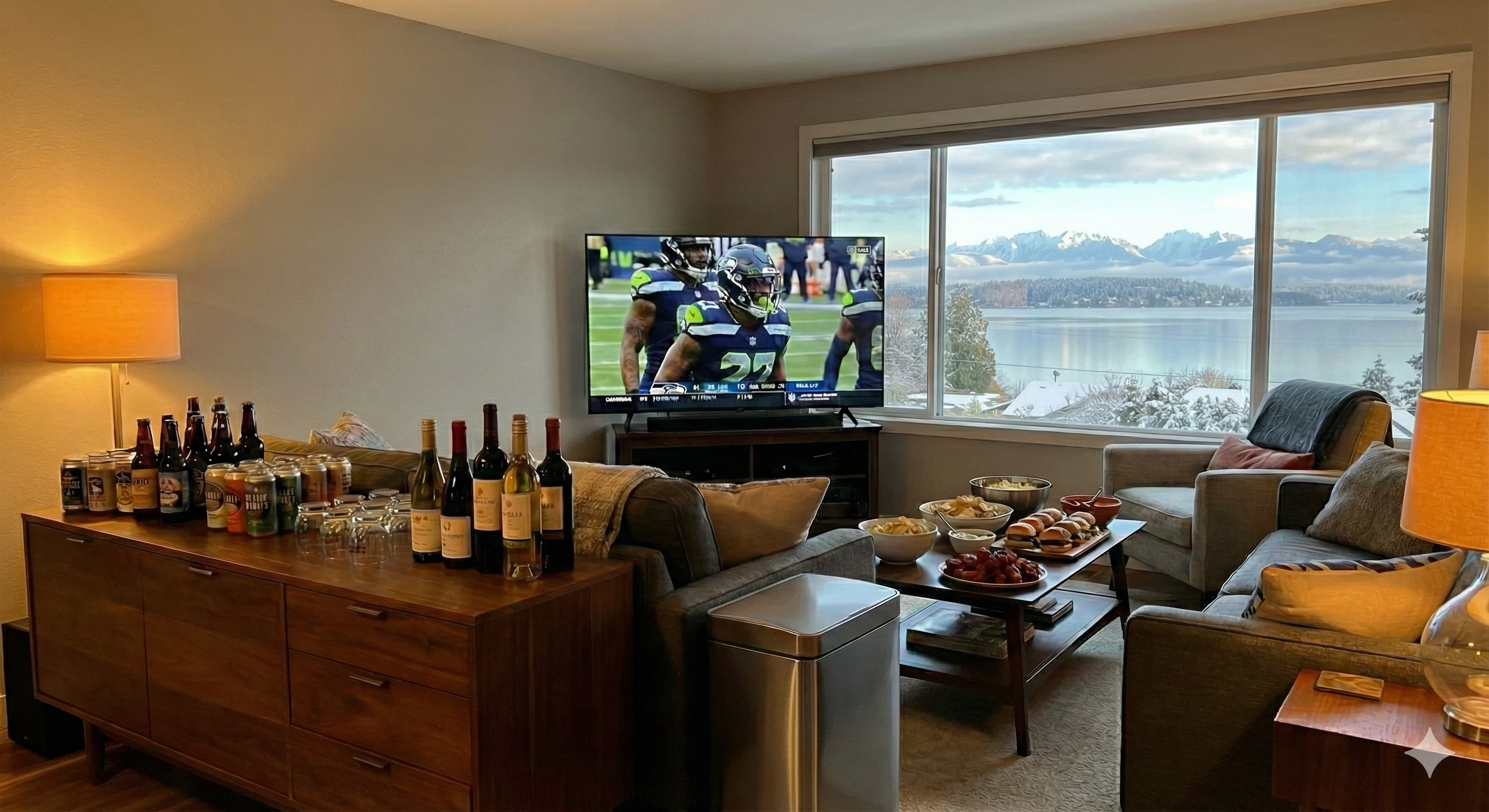
    After a chilly afternoon walking the loop at the Woodland Park Zoo, you might be ready to settle in for the big game. However, hosting a crowd to watch the Seahawks game in a classic Phinney Ridge home—where the views of Green Lake and the Cascades are sweeping but the living rooms are traditionally narrow—requires a strategy for flow.

    You don’t need an open-concept mansion to host without stress; you just need to create “traffic loops” rather than dead ends.

    Here is how to optimize your living space for the big game:

    • Clear the Field: In narrow bungalows, every inch counts. Physically remove obstacles like extra side chairs or decorative poufs. Don’t just push them to the wall; move them completely to a bedroom or hallway for the night. Clear the coffee table completely of books and decor to create a functional surface for snacks.
    • The Hospitality Station: Avoid the “kitchen cluster.” Set up a sideboard or bar cart separate from the TV area. This forces guests to move away from the screen to get a drink, preventing a bottleneck and circulating the room.
    • Zone Defense: Use designated trays to corral remotes and coasters. If they have a visible “home base,” the remote won’t get lost in the couch cushions during a touchdown celebration.
    • Trash Tactics: In many remodeled Seattle kitchens, the trash is hidden behind a cabinet door—great for style, bad for guests holding sticky wings. Place a visible, stylish trash bin near the food zone so guests aren’t hunting for the garbage.

    By designating specific zones for food, trash, and seating beforehand, you prevent the chaos that usually traps guests in the kitchen. Enjoy the kickoff!

    If you want a home that is ready for kickoff without lifting a finger, we can help. Contact HOME x Ballard to schedule a free quote—we plan, shop, and execute the perfect system for you.

    The image is only a visual representation of the techniques used by HOME x Ballard, not an actual project.

  • Peak Rain: The Mudroom “Wet Zone” in Broadview

    Peak Rain: The Mudroom “Wet Zone” in Broadview

    We are in the thick of the rainy season, and if you live near the trails of Carkeek Park in Broadview, you know the mud struggle is real. To save your floors after a forest hike, you need a “Wet Zone” immediately inside the door.

    Create a defense system against the damp:

    • Contain the Water: Start with a high-walled rubber boot tray that can hold standing water; fabric mats just won’t cut it here—they soak through and damage hardwood.
    • Vertical Drying: Install wall-mounted hooks directly above the tray for wet scarves and hats. This ensures drips land in the waterproof tray, not on your floors.
    • Umbrella Management: Add a sleek, dedicated umbrella stand to contain the clutter and prevent puddles in corners.
    • The Towel Basket: Keep a dedicated basket with old towels nearby for wiping down dog paws or muddy shoes before they leave the mat. By creating a designated spot for wet items to dry before they are put away, you prevent mildew and keep your entry pristine.

    Whether you’re returning from a muddy trek through the park or just a quick walk with your dog, a well-planned “Wet Zone” ensures the PNW rain stays exactly where it belongs—outside.

    The image is only a visual representation of the techniques used by HOME x Ballard, not an actual project.